
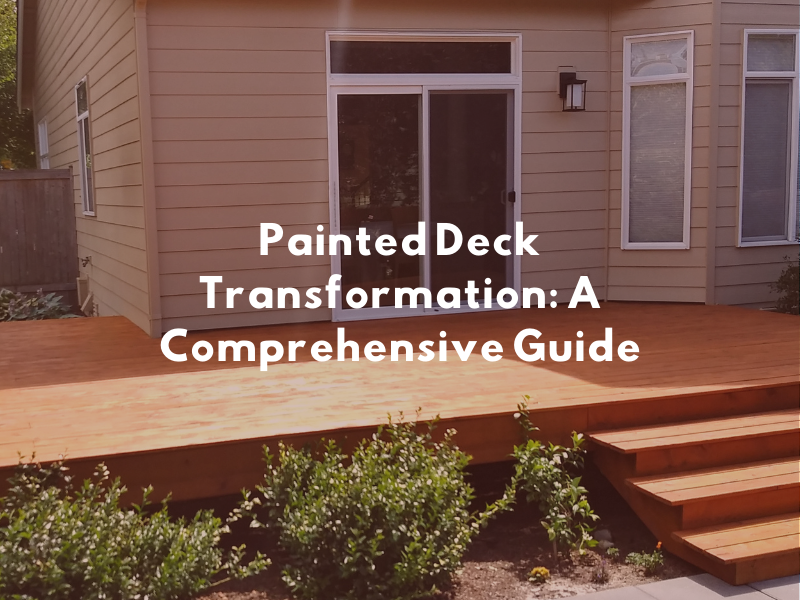
Painting a deck can greatly enhance its appearance and increase its durability. This process allows homeowners to refresh their outdoor spaces while providing protection against weather-related damage. Proper preparation and material selection are essential for achieving long-lasting results. This guide covers the benefits, preparation steps, painting techniques, and maintenance tips for painted decks.
Understanding Painted Decks
Painting a deck not only improves its aesthetic appeal but also helps protect it from wear and tear. Below, we explore the advantages and potential challenges involved in the process.
Benefits of Painting Your Deck
Transforming a deck with paint offers several benefits, making it an attractive option for homeowners.
Aesthetic Enhancements
One of the biggest advantages of painting a deck is the visual transformation. A fresh coat of paint can revitalize a worn deck, making it look brand new. Homeowners can customize colors to complement their home’s exterior and landscape, creating a cohesive outdoor space.
Protection from the Elements
Paint provides a protective barrier against harsh weather conditions, including sun exposure, rain, and snow. A high-quality coat of paint prevents moisture infiltration, reducing the risk of wood decay and extending the deck’s lifespan. It also helps resist fading, keeping the deck looking fresh for a longer period.
Common Challenges and Solutions
While painting a deck has numerous advantages, some challenges may arise. Understanding and addressing these issues beforehand ensures a smoother process.
Identifying Damaged Areas
Before painting, it’s crucial to assess the deck’s condition. Issues like loose boards or signs of wear must be addressed to prevent further deterioration.
Essential Repair Tips
- Inspect the deck for cracks, warping, or rotting wood.
- Secure or replace loose boards and railings.
- Fill small cracks and holes with wood filler to create a smooth surface.
Choosing the Right Cleaning Tools
A properly cleaned surface ensures better paint adhesion. Using the wrong tools can damage the wood or leave behind residues that interfere with application.
Best Practices for Deep Cleaning
- Use a stiff-bristled broom to remove debris.
- Pressure wash the deck to eliminate dirt, mildew, and old paint residues.
- Choose eco-friendly, wood-safe cleaners for deep cleaning.
Preparing Your Deck for Painting
Thorough preparation is key to achieving a professional-looking finish. This stage involves inspection, cleaning, and surface preparation.
Inspection and Repairs
A careful evaluation of the deck helps identify structural issues before painting.
Essential Repair Tips
- Replace damaged or rotting boards.
- Secure loose screws and nails.
- Sand down rough patches to create a uniform surface.
Surface Preparation
Importance of Sanding
Sanding plays a vital role in deck refinishing by removing imperfections and improving paint adhesion.
- Use medium-grit sandpaper for rough spots.
- Follow up with fine-grit sandpaper to achieve a smoother finish.
- Remove all dust before applying paint to avoid an uneven coat.
Choosing the Right Paint
Selecting high-quality paint is essential for durability and a visually appealing finish.
Types of Paints for Decks
Weather-Resistant Options
Deck paint should be formulated to withstand exposure to sun, moisture, and temperature fluctuations. High-quality weather-resistant paint helps maintain the deck’s integrity over time.
Considering Eco-Friendly Paints
Eco-friendly paints are an excellent choice for homeowners looking to minimize environmental impact. These products contain fewer harmful chemicals while still providing a long-lasting finish.
Essential Tools for Painting
Brushes and Rollers
- Brushes work best for detailing and edges.
- Rollers help cover large areas quickly and evenly.
Advanced Painting Equipment
For a smoother application, consider using a paint sprayer. These devices provide an even coat with less effort and minimize visible brush strokes.
Painting Techniques and Tips
Applying paint correctly is crucial to achieving a polished and durable finish.
Layering and Application
Ensuring Even Coverage
- Use a brush for corners and edges before rolling paint onto larger areas.
- Apply thin, even layers rather than a single thick coat.
- Maintain a consistent stroke direction to avoid streaks.
Avoiding Common Mistakes
- Do not paint in direct sunlight, as it may cause premature drying and uneven application.
- Always clean and prepare surfaces properly to improve adhesion.
- Mix paint thoroughly before application to ensure uniform color.
Drying and Curing Times
Impact of Weather Conditions
Weather plays a major role in paint drying times. High humidity can slow the process, while extreme heat can cause uneven curing. For best results, paint on a mild, dry day.
Best Practices for Optimal Results
- Wait at least 24 hours between coats, depending on humidity and temperature.
- Avoid using the deck for several days to allow the paint to fully cure.
Maintaining Your Painted Deck
Regular maintenance ensures your painted deck remains in great condition for years.
Routine Cleaning and Upkeep
Consistently removing dirt and grime prevents damage and extends the paint’s lifespan.
Seasonal Maintenance Tips
- Spring: Remove debris from winter and inspect for damage.
- Summer: Regularly sweep and wash the deck to prevent mold buildup.
- Fall: Clear leaves and moisture-trapping debris.
- Winter: Avoid excessive snow accumulation to prevent paint deterioration.
Handling Minor Repairs
Addressing minor paint chips or wear prevents the need for frequent repainting.
Repainting and Touch-Ups
Over time, painted decks require refreshing to maintain their appearance and protection.
When to Repaint
- Fading color indicates the need for a fresh coat.
- Peeling or chipping suggests compromised protection.
- Rough textures or exposed wood mean it’s time for maintenance.
Cost-Effective Touch-Up Techniques
- Use leftover paint for small repairs to maintain a uniform look.
- Apply sealants on high-traffic areas for added durability.
Special Considerations for Painted Pool Decks
Pool decks require additional attention due to constant water exposure.
Addressing Poolside Challenges
Water and Chemical Resistance
Poolside decks are subject to high moisture levels and chemical exposure. Choosing water-resistant paints formulated for such conditions is essential to prevent peeling and damage.
Safety Considerations
For pool areas, anti-slip deck coatings are crucial to reducing the risk of accidents. These coatings enhance traction, ensuring a safer surface when wet.
Enhancing Poolside Aesthetics
Coordinating deck colors with the pool area enhances the outdoor space’s overall design.
Restoring an Older Painted Deck
Revitalizing an older deck involves careful assessment, cleaning, and repainting.
Assessing the Current Condition
Check for:
- Fading or peeling paint.
- Cracks or splinters in the wood.
- Soft or rotting sections.
Preparing for Restoration
- Clear furniture and debris from the deck.
- Gather necessary tools and cleaning supplies.
Restoration Steps
Cleaning and Stripping Old Layers
- Use specialized cleaners to remove dirt and mildew.
- Strip old, peeling paint using appropriate products.
- Power wash to eliminate residues before repainting.
Reapplication of Paint and Sealants
- Choose durable, high-quality deck paint.
- Apply multiple coats for better protection.
- Use sealants for enhanced moisture resistance.
Final Thoughts
Painting a deck is an effective way to enhance outdoor aesthetics and improve durability. With proper preparation, application, and maintenance, a painted deck can remain visually appealing and functional for years to come. Whether updating an existing deck or restoring an older one, following these best practices ensures long-lasting results.


